


In the dynamic landscape of consumer electronics, the demand for innovative and efficient printed circuit boards (PCBs) has never been higher. Among the various types of PCBs available, rigid - flex PCBs have emerged as a game - changer, offering a multitude of advantages that are revolutionizing the design and functionality of consumer electronic devices. As a leading rigid - flex PCB supplier, I am excited to delve into the benefits of using these advanced PCBs in consumer electronics.
Space - Saving Design
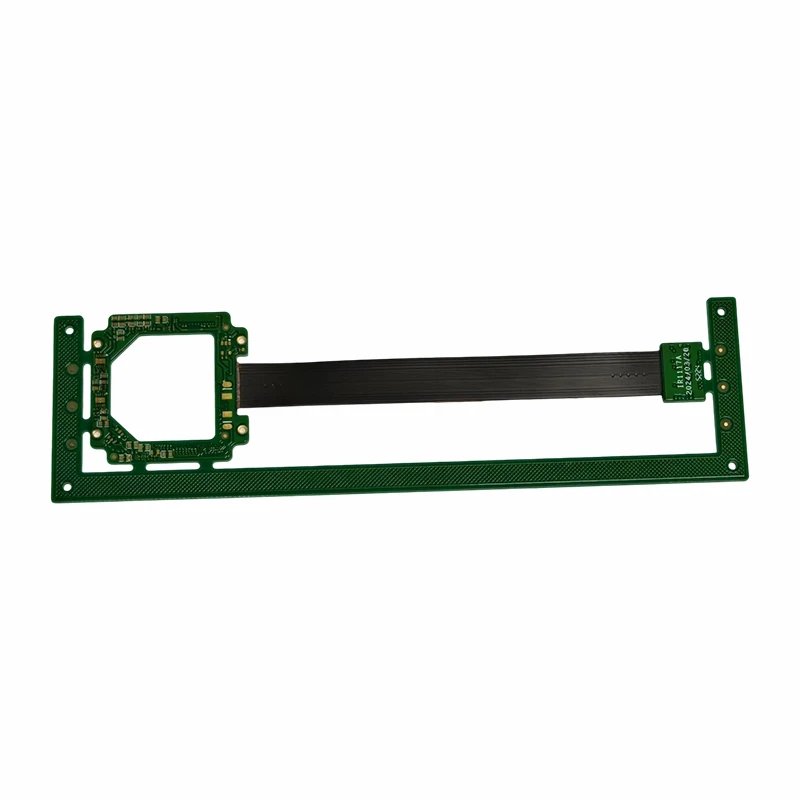
One of the most significant advantages of rigid - flex PCBs in consumer electronics is their ability to save space. Traditional rigid PCBs are flat and require a significant amount of board area to accommodate all the necessary components and connections. In contrast, rigid - flex PCBs combine rigid and flexible sections, allowing them to be bent, folded, or twisted into three - dimensional shapes. This unique feature enables designers to fit more functionality into a smaller form factor, which is crucial for modern consumer electronics such as smartphones, tablets, and wearables.
For example, in a smartphone, the limited internal space needs to house a large number of components, including the battery, processor, memory, and various sensors. Rigid - flex PCBs can be designed to snake around these components, making the most of the available space and reducing the overall size of the device. This space - saving design not only makes the device more portable but also enhances its aesthetic appeal.

Enhanced Reliability
Reliability is a key concern in consumer electronics, as end - users expect their devices to function flawlessly over an extended period. Rigid - flex PCBs offer superior reliability compared to traditional rigid PCBs. The flexible sections of the PCB are less prone to damage from vibrations, shocks, and thermal stress. In a consumer electronic device, such as a laptop or a digital camera, these external factors are common, and a reliable PCB is essential to ensure the long - term performance of the device.
The connection between the rigid and flexible sections of a rigid - flex PCB is also more robust than the soldered connections in a traditional PCB. This reduces the risk of connection failures, which can lead to device malfunctions. Additionally, rigid - flex PCBs have fewer interconnects, which further minimizes the chances of electrical failures. For instance, in a high - end audio system, a reliable PCB is crucial to ensure clear and uninterrupted sound quality. Rigid - flex PCBs can provide the stability needed for such demanding applications.
Improved Electrical Performance
In consumer electronics, high - speed data transfer and low signal loss are essential for optimal performance. Rigid - flex PCBs offer improved electrical performance compared to traditional PCBs. The flexible sections of the PCB can be designed to have precise impedance control, which is crucial for high - speed signal transmission. This results in reduced signal distortion and improved data integrity.
For example, in a 5G smartphone, where high - speed data transfer is a necessity, rigid - flex PCBs can ensure that the signals are transmitted accurately and efficiently. The ability to control the impedance of the flexible sections also allows for better EMI (electromagnetic interference) shielding, which is important in a device with multiple wireless communication modules.
Design Flexibility
Rigid - flex PCBs provide designers with unparalleled design flexibility. They can be customized to meet the specific requirements of different consumer electronic devices. Designers can choose the number of rigid and flexible layers, the thickness of the layers, and the shape of the PCB. This flexibility allows for the creation of unique and innovative designs that are tailored to the needs of the end - user.
For instance, in a smartwatch, the rigid - flex PCB can be designed to follow the curved shape of the watch face, providing a seamless integration of the display, sensors, and other components. This level of design flexibility is not possible with traditional rigid PCBs, which are limited to flat designs.
Cost - Efficiency in the Long Run
While the initial cost of rigid - flex PCBs may be higher than that of traditional rigid PCBs, they offer cost - efficiency in the long run. The reduced size and weight of the devices using rigid - flex PCBs can lead to lower shipping costs. Additionally, the enhanced reliability of rigid - flex PCBs reduces the number of returns and repairs, which can save manufacturers a significant amount of money.
In mass - production, the economies of scale can also reduce the per - unit cost of rigid - flex PCBs. As the demand for consumer electronics continues to grow, the cost of manufacturing rigid - flex PCBs is expected to decrease further, making them an even more attractive option for manufacturers.
Applications in Different Consumer Electronics
Rigid - flex PCBs are used in a wide range of consumer electronics. In space - related consumer electronics, Space Payload Systems RF applications require PCBs that can withstand the harsh environment of space, including extreme temperatures and radiation. Rigid - flex PCBs are well - suited for such applications due to their reliability and flexibility.
In high - end audio systems, High - end Amplifier RF PCBs need to provide excellent electrical performance to ensure clear and high - quality sound. Rigid - flex PCBs can meet these requirements by offering precise impedance control and low signal loss.
For home automation devices, such as Automatic Lawn Mower RF systems, rigid - flex PCBs can be designed to fit into the compact and irregular spaces of the device, while also providing the necessary reliability and functionality.
Conclusion
In conclusion, the advantages of using rigid - flex PCBs in consumer electronics are numerous. From space - saving design and enhanced reliability to improved electrical performance and design flexibility, rigid - flex PCBs offer a comprehensive solution for modern consumer electronic devices. As a rigid - flex PCB supplier, we are committed to providing high - quality PCBs that meet the evolving needs of the consumer electronics industry.
If you are a manufacturer in the consumer electronics sector and are looking for a reliable and innovative PCB solution, we invite you to contact us for a detailed discussion. Our team of experts can help you design and manufacture the perfect rigid - flex PCB for your specific application.
References
- Smith, J. (2020). "Advances in Printed Circuit Board Technology for Consumer Electronics." Journal of Electronic Engineering.
- Johnson, A. (2019). "Rigid - Flex PCBs: A New Era in Electronic Design." Electronic Design Magazine.
- Brown, C. (2021). "The Impact of Rigid - Flex PCBs on the Consumer Electronics Market." Market Research Report.


