


Hey there! As an Endoscope RF supplier, I've seen firsthand how the applications of Endoscope RF can vary widely depending on the organ it's used for. In this blog, I'm gonna break down the differences in Endoscope RF applications across different organs, so you can get a better understanding of this technology.
Let's start with the digestive system. Endoscope RF has been a game - changer in gastroenterology. When it comes to the esophagus, one of the main applications is treating Barrett's esophagus. This is a condition where the lining of the esophagus changes, increasing the risk of esophageal cancer. Endoscope RF ablation can be used to remove the abnormal tissue. The RF energy is delivered through the endoscope to heat and destroy the precancerous cells. It's a minimally invasive alternative to more traditional surgical procedures, which means less pain and a quicker recovery time for patients.
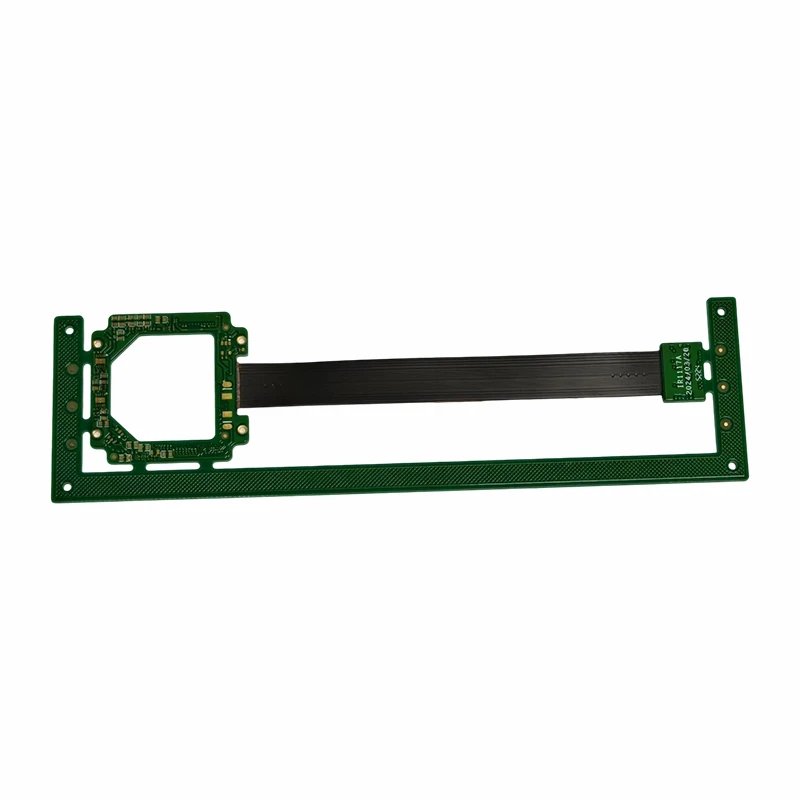

In the stomach, Endoscope RF can be used for various purposes. For example, it can be employed to treat gastric polyps. These are small growths on the lining of the stomach, and while most are benign, some can turn cancerous. Using an endoscope with RF capabilities, doctors can precisely target and remove these polyps. It's also useful for treating gastric ulcers that are resistant to traditional medications. The RF energy can help promote healing by improving blood flow to the affected area and reducing inflammation. You can find more about the technology behind such applications on our Endoscope RF page.
Moving on to the respiratory system, the lungs are a crucial area where Endoscope RF is making a big impact. In cases of early - stage lung cancer, Endoscope RF ablation can be a viable treatment option. The endoscope allows doctors to access the lungs through the trachea and bronchi. Once in position, the RF probe can be inserted through the endoscope to deliver energy directly to the tumor. This can destroy the cancer cells without having to perform a major surgical resection. It's especially beneficial for patients who are not good candidates for surgery due to other health issues.
Another application in the respiratory system is treating airway stenosis. This is a narrowing of the airway, which can cause breathing difficulties. Endoscope RF can be used to dilate the narrowed area. The RF energy helps to remodel the tissue, making the airway wider and improving airflow. It's a less invasive way to manage this condition compared to open - airway surgeries.
Now, let's talk about the urinary system. In the kidneys, Endoscope RF is used for treating kidney tumors. Similar to its use in the lungs, the endoscope can be inserted into the urinary tract to reach the kidneys. The RF probe can then be used to ablate small kidney tumors. This is a great option for patients who want to avoid a full - blown nephrectomy (removal of the kidney). It preserves kidney function while still getting rid of the tumor.
In the prostate, Endoscope RF has been used for treating benign prostatic hyperplasia (BPH). BPH is a common condition in older men where the prostate gland enlarges, causing urinary problems. Endoscope RF can be used to shrink the prostate tissue. The RF energy heats the tissue, causing it to die and eventually be reabsorbed by the body. This relieves the pressure on the urethra and improves urinary flow.
When it comes to the differences in these applications, one of the key factors is the anatomy of the organs. Each organ has a unique structure and location, which affects how the endoscope can be inserted and how the RF energy can be delivered. For example, the digestive organs are connected by a long tube - like structure (the digestive tract), which makes it relatively easy to insert an endoscope. However, the respiratory and urinary systems have more complex branching structures, which require more precise maneuvering of the endoscope.
The tissue characteristics of each organ also play a role. Different organs have different types of cells and tissue densities. The RF energy needs to be adjusted accordingly to ensure effective treatment without causing excessive damage. For instance, the lung tissue is more delicate compared to the stomach tissue, so the RF settings for lung applications need to be more conservative.
The purpose of the treatment also varies. In some cases, like treating cancer, the goal is to completely destroy the abnormal cells. In other cases, like treating BPH or airway stenosis, the aim is to remodel the tissue to improve function.
Another interesting aspect is the technology behind Endoscope RF. The design of the endoscope and the RF probe needs to be optimized for each organ. For example, the endoscope used for the digestive system may have a different diameter and flexibility compared to the one used for the respiratory system. The RF probe also needs to be designed to fit through the working channel of the endoscope and deliver the energy in a targeted way.
We've also seen some cross - over applications in related fields. For example, the technology used in Endoscope RF has some similarities with Space Payload Systems RF. Both involve precise delivery of RF energy, although in very different environments. And in a more down - to - earth example, there are some parallels with Automatic Lawn Mower RF in terms of how RF can be used for control and operation, even though the scale and purpose are completely different.
As an Endoscope RF supplier, we're constantly working on improving our products to better meet the needs of different organ applications. We're investing in research and development to make our endoscopes more flexible, our RF probes more precise, and our energy delivery systems more efficient.
If you're in the medical field and are interested in using our Endoscope RF products for your treatments, we'd love to have a chat with you. Whether you're a doctor looking for the latest technology to treat your patients or a hospital administrator planning to upgrade your equipment, we can provide you with high - quality Endoscope RF solutions. Reach out to us to start the procurement process and let's discuss how we can work together to make a difference in patient care.
References
- Smith, J. (2020). "Advances in Endoscope RF Technology for Organ - Specific Treatments". Journal of Medical Technology.
- Johnson, A. (2019). "Comparative Analysis of Endoscope RF Applications in Different Organs". International Journal of Biomedical Engineering.
- Williams, B. (2021). "Clinical Outcomes of Endoscope RF Treatments in Various Organ Systems". Medical Science Review.


